First steps · 5 min read
Feet in the crawling months: socks, bootees, bare feet
A crawling baby doesn’t need shoes. But what about cold floors, visits to friends, or slippery parquet?
Selin Yalçın
This content is for general information and is not a substitute for medical advice. If you have any concerns about your child’s feet, talk to your paediatrician or a paediatric physiotherapist.
In short
- In the crawling months, the feet work mostly at feeling the floor.
- Indoors, on a safe floor, bare feet are usually enough.
- On slippery floors, non-slip socks or suede-soled bootees rather than plain socks.
- Bootees shouldn’t squeeze the foot or leave a mark on the ankle.
What do the feet do during crawling?
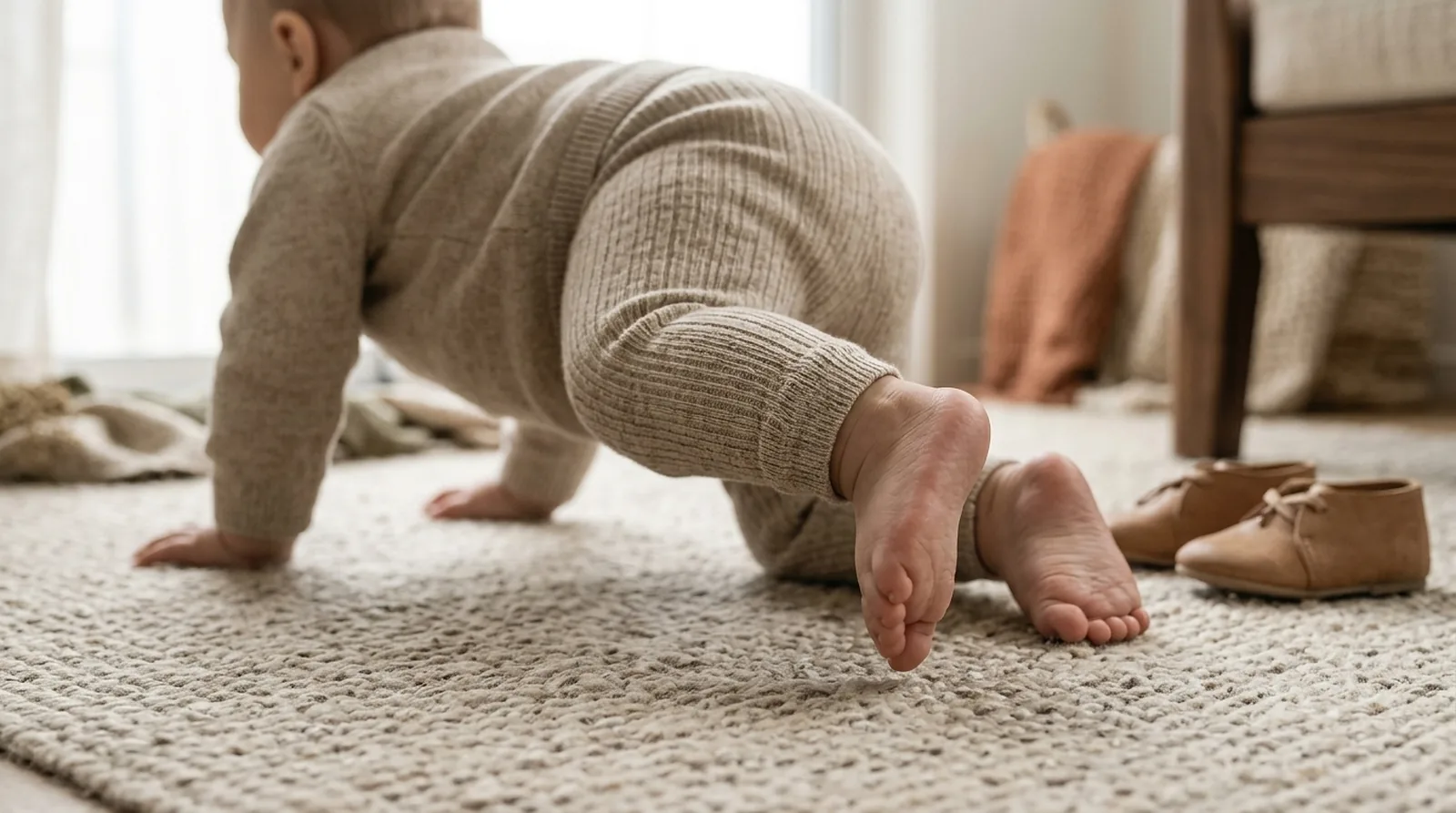
A crawling baby pushes off the floor with their toes, and the tops of the feet brush along the ground. When they pull up to stand, the soles bear weight for the first time. During this stage the feet gather information from the floor: hard, soft, cold, rough. This information lays the groundwork for the steps to come.
Socks, bootees or bare feet?
Each has its place:
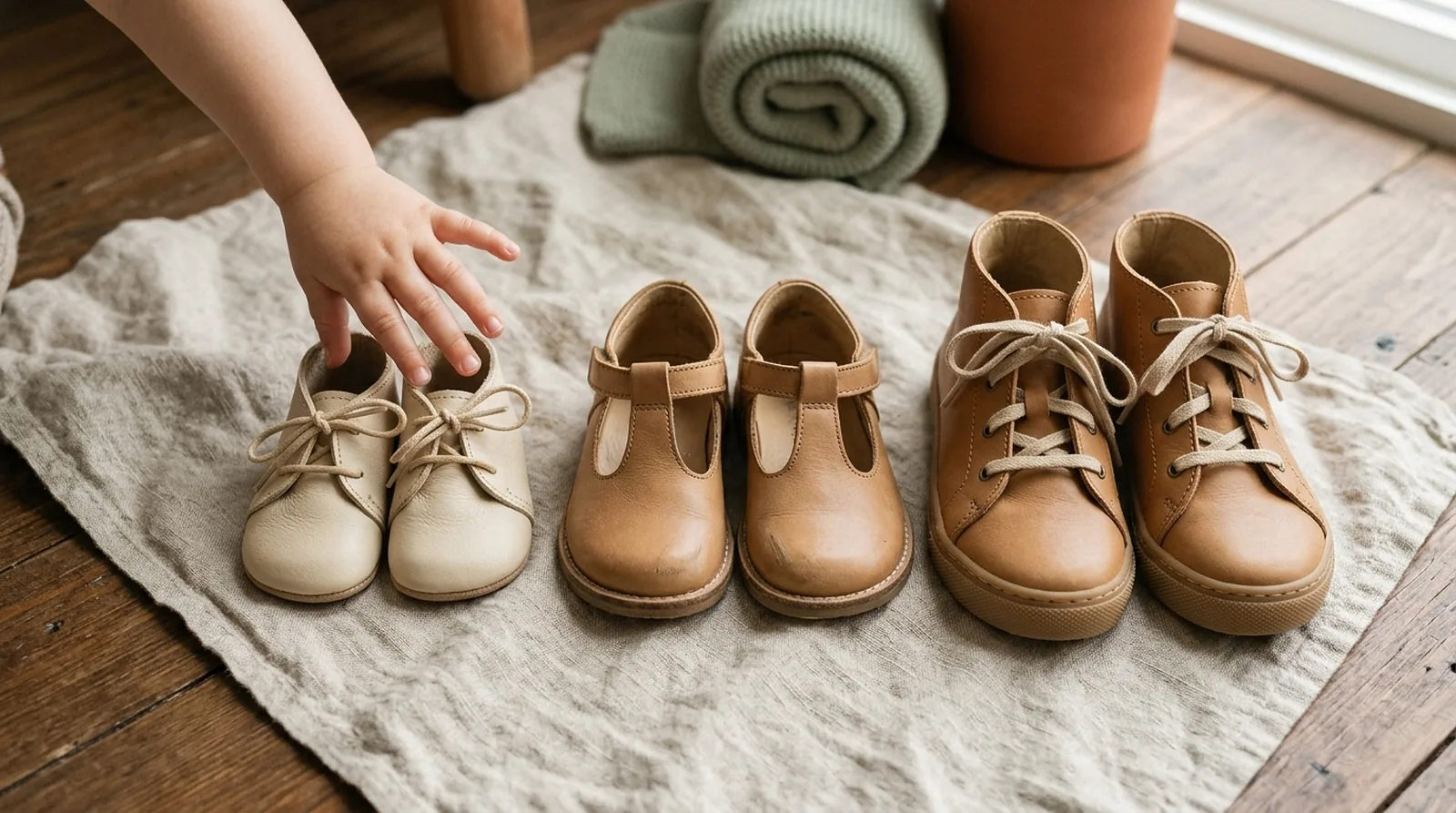
- Bare feet: the best option indoors, on warm and safe floors.
- Non-slip socks: on slippery parquet or tiles, plain socks can make a baby slide; socks with non-slip dots underneath are safer.
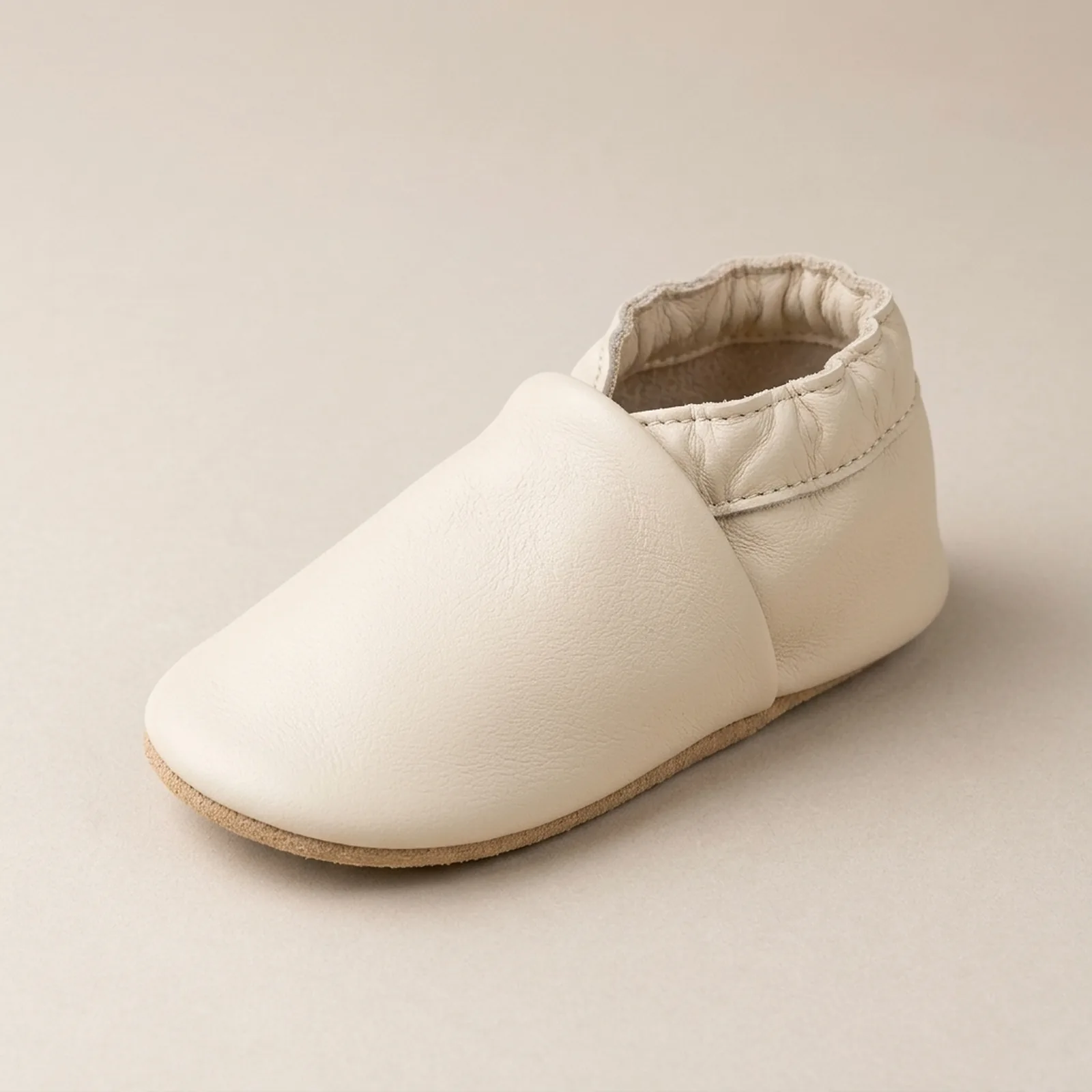
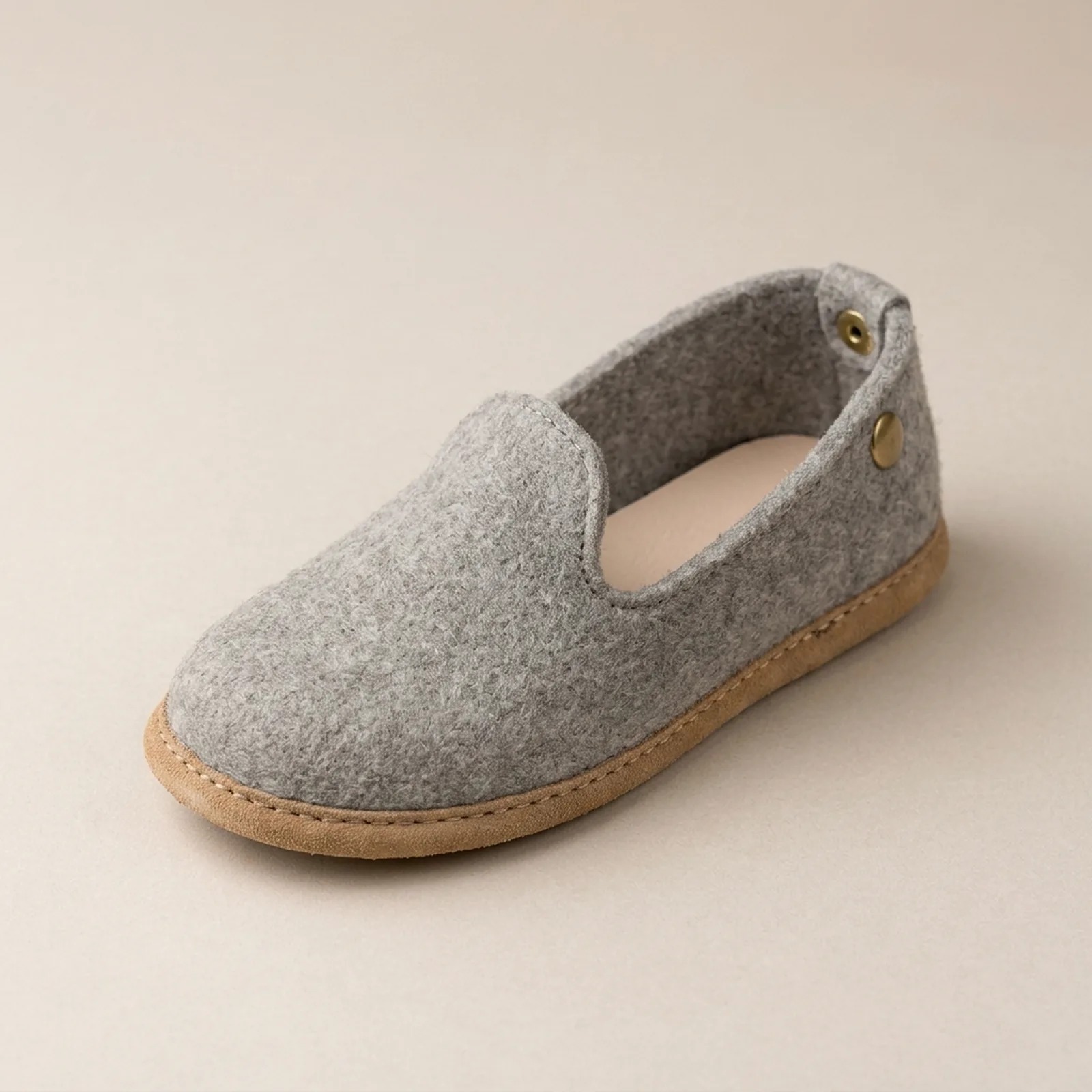
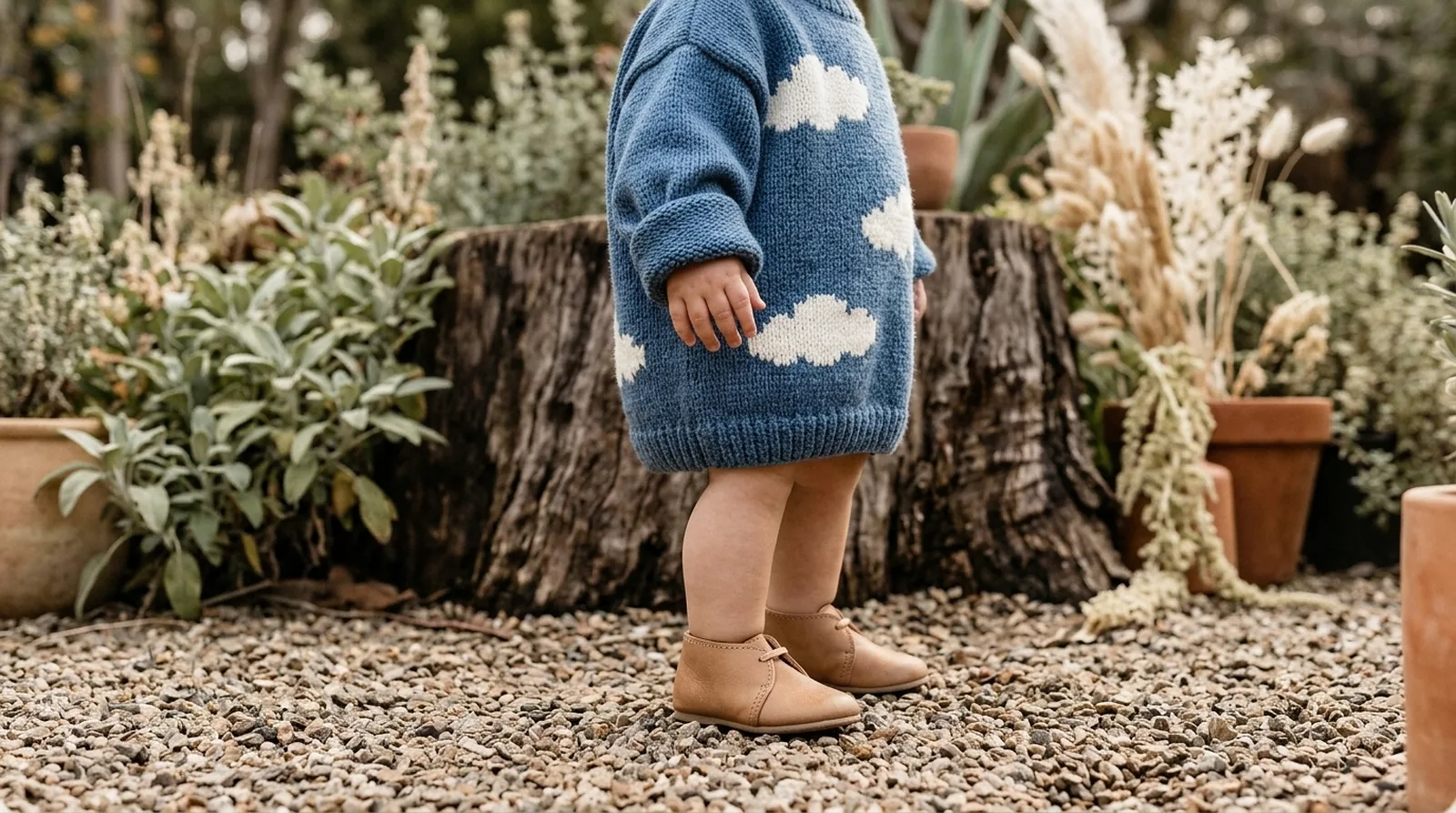
- Suede-soled bootees: on cold floors, when visiting, at nursery. The sole should be thin and flexible.
What to look for in a bootee
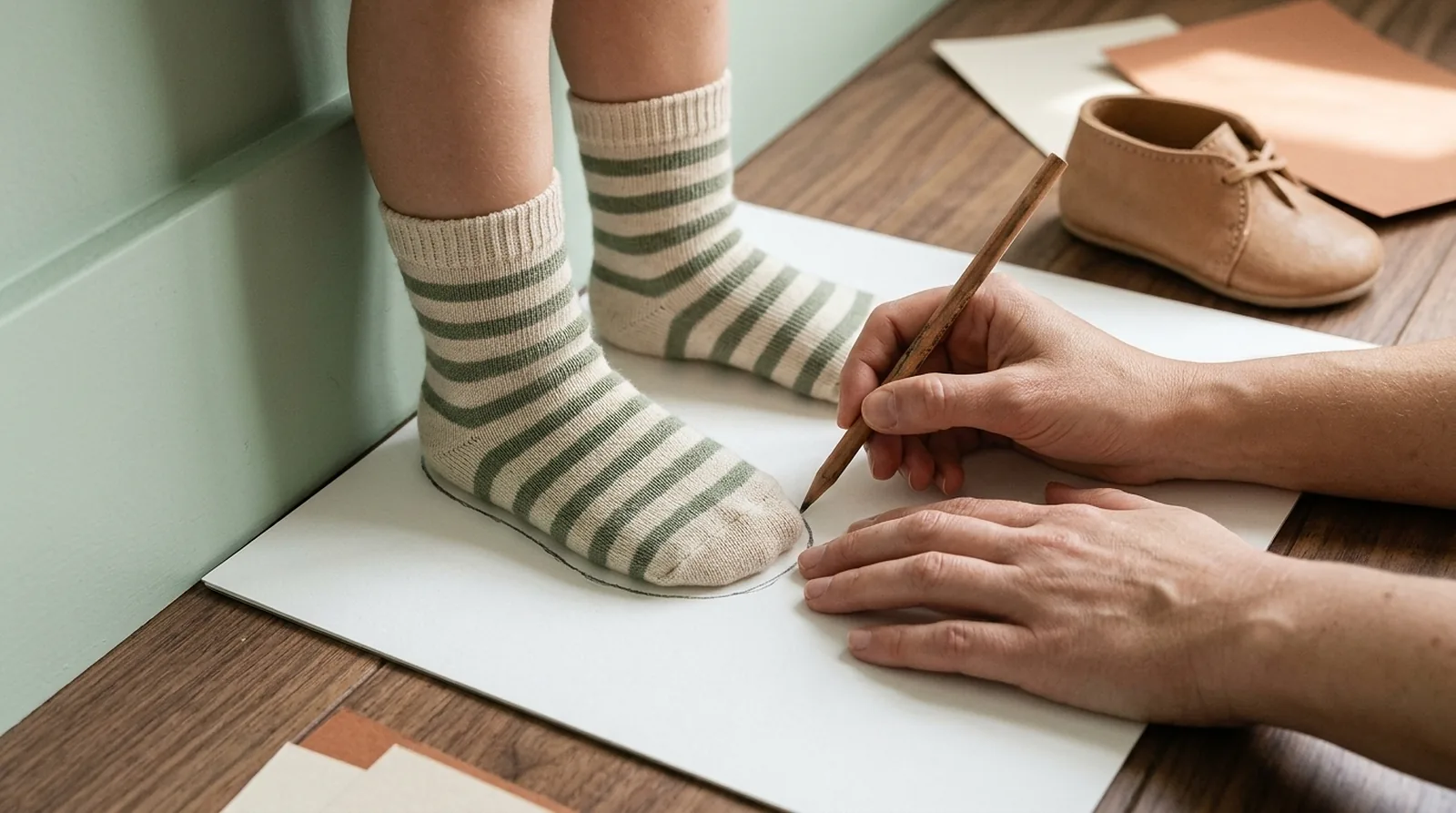
- The elastic at the ankle shouldn’t leave a mark; if you see a red line on the ankle when you take the bootee off, choose a roomier size.
- The sole should fold like fabric.
- There should be no thick seams inside rubbing against the foot.
- The toes should be able to lie flat inside the bootee without curling.
When do shoes come in?
When your baby starts walking on their own feet outdoors. We cover this in detail in our article “When should you buy first shoes?”.
When to ask a specialist
Don’t worry if your baby went straight to walking without crawling; some babies skip crawling. But if at 12 months they aren’t bearing any weight on their feet, talk to your paediatrician.
Free 20-minute call with a specialistSources
- Research Adolph KE, Cole WG, Komati M, et al. How do you learn to walk? Thousands of steps and dozens of falls per day. Psychological Science. 2012;23(11):1387–1394.
- Research WHO Multicentre Growth Reference Study Group. WHO Motor Development Study: windows of achievement for six gross motor development milestones. Acta Paediatrica Suppl. 2006;450:86–95.
- General guideline General advice for parents from child health organisations: crawling and bare feet indoors as much as possible, with protection on cold and hard floors (general).
Not a substitute for medical advice. If you have any concerns about your child’s feet, talk to your paediatrician or a paediatric physiotherapist.