Research · 8 min read
Barefoot or shoes? The debate and the evidence
Research suggests that bare feet and flexible shoes leave the foot room to move. But outdoors, feet still need protecting. We’ve summarised the findings, along with their limits.

Dr Kerem Aydın
This content is for general information and is not a substitute for medical advice. If you have any concerns about your child’s feet, talk to your paediatrician or a paediatric physiotherapist.
In short
- Observational studies suggest that children who grow up barefoot may have a more pronounced foot arch.
- Shoes change how children walk: steps get longer and the foot bends less naturally. Flexible shoes narrow this difference.
- Most of these studies are observational; they don’t prove cause and effect.
- In practice: bare feet on safe ground, and a flexible, light shoe outdoors.
Why is there a debate?
On one side, an old tradition that says “the foot must be supported from outside”; on the other, a newer view that says “the foot develops best on its own”. As so often, the truth lies somewhere between the two, but closer to the newer view. Below we summarise the most widely cited findings, along with their limits.
Bare feet and the foot arch
A classic survey of 2,300 children in India reported that flat feet were more common in children who started wearing shoes at an early age. A more recent comparison in South Africa and Germany observed that the arches of children who habitually grew up barefoot developed differently.
These findings are striking, but they have a limit: they all come from observational studies. Children who grow up barefoot may also differ in other ways (lifestyle, how much they move, the ground they walk on). So they aren’t enough to say “shoes cause flat feet”; they are enough to say “giving the foot room to move is probably a good thing”.
How do shoes change walking?
A systematic review of how children’s shoes affect walking reports that, in shoes, children take longer steps, walk faster, and move their ankles differently. A measurement study in Germany found that flexible shoes left the movement inside the foot closer to barefoot than conventional shoes did.
What this means in practice: the more flexible, thin and light a shoe is, the more a child walks “on their own feet”.
So, always barefoot?
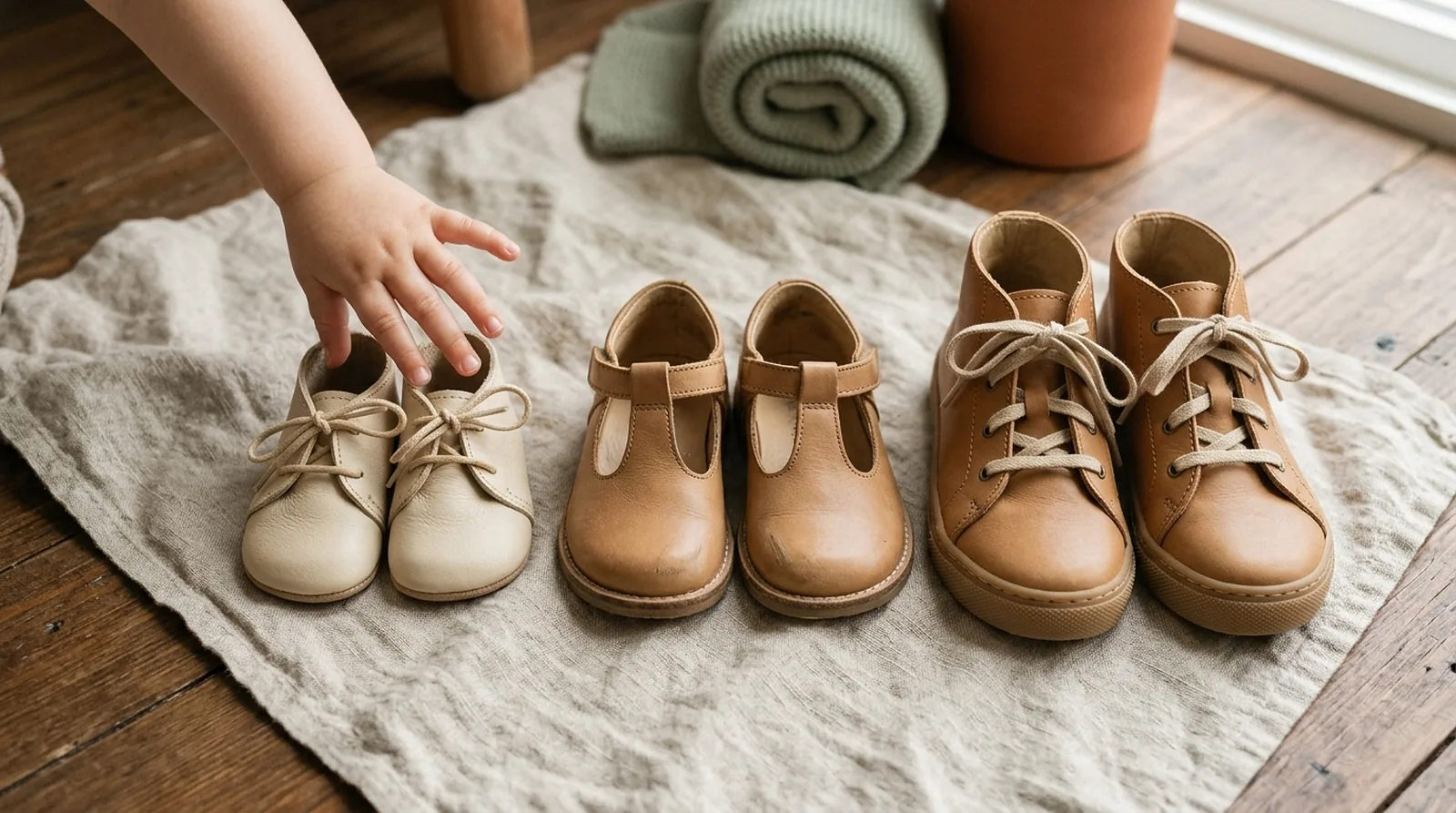
No. Pavements, broken glass, the cold, hot tarmac and dirty ground are real risks. That is what shoes are for. Reviews of children’s footwear reach the same conclusion: a shoe’s job is to protect, not to guide the foot or support it from outside.
This is exactly what we mean by a second skin: a layer that lets the foot feel the ground while protecting it from the hardness of the world outside.
Ideas to try at home
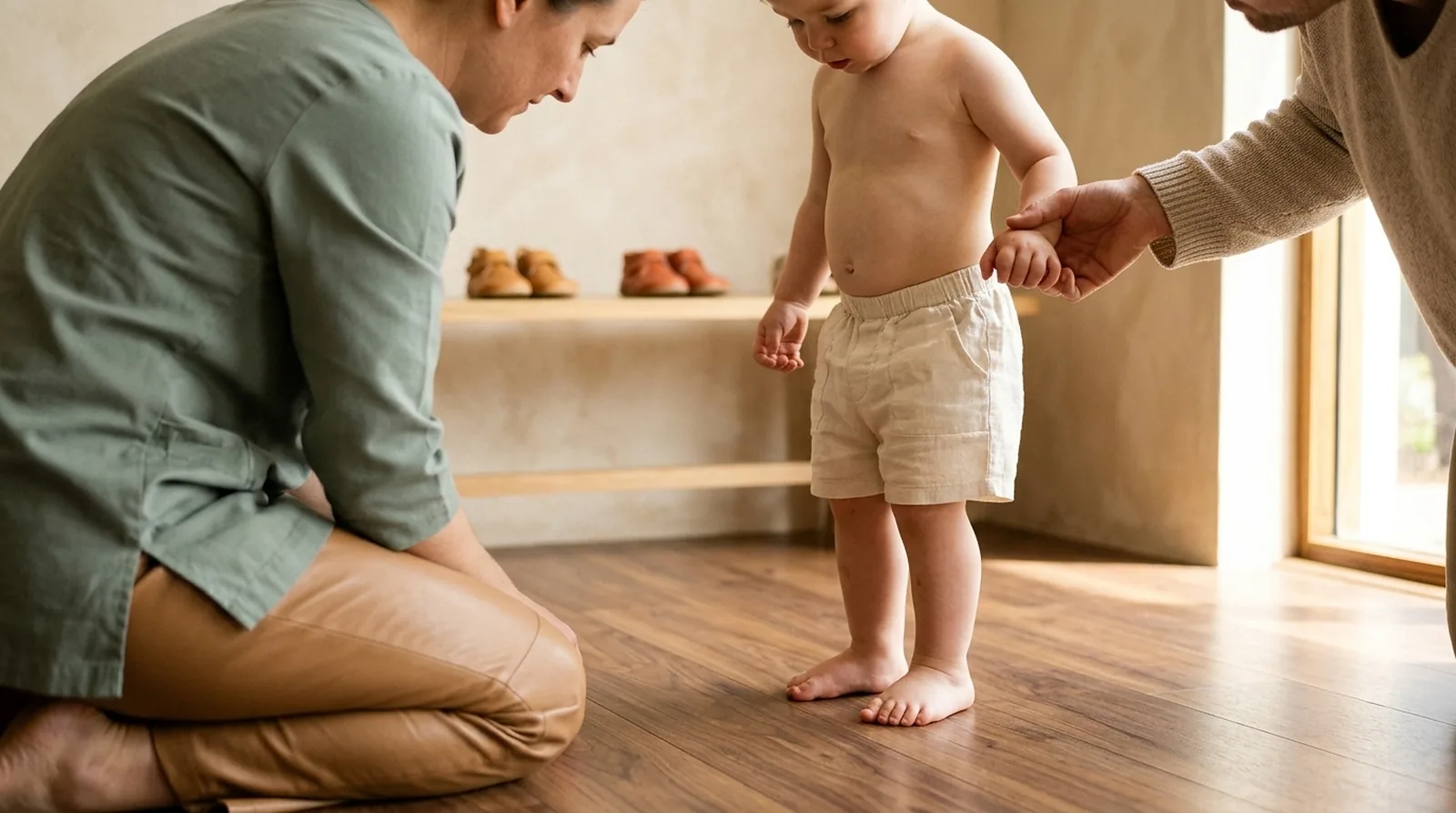
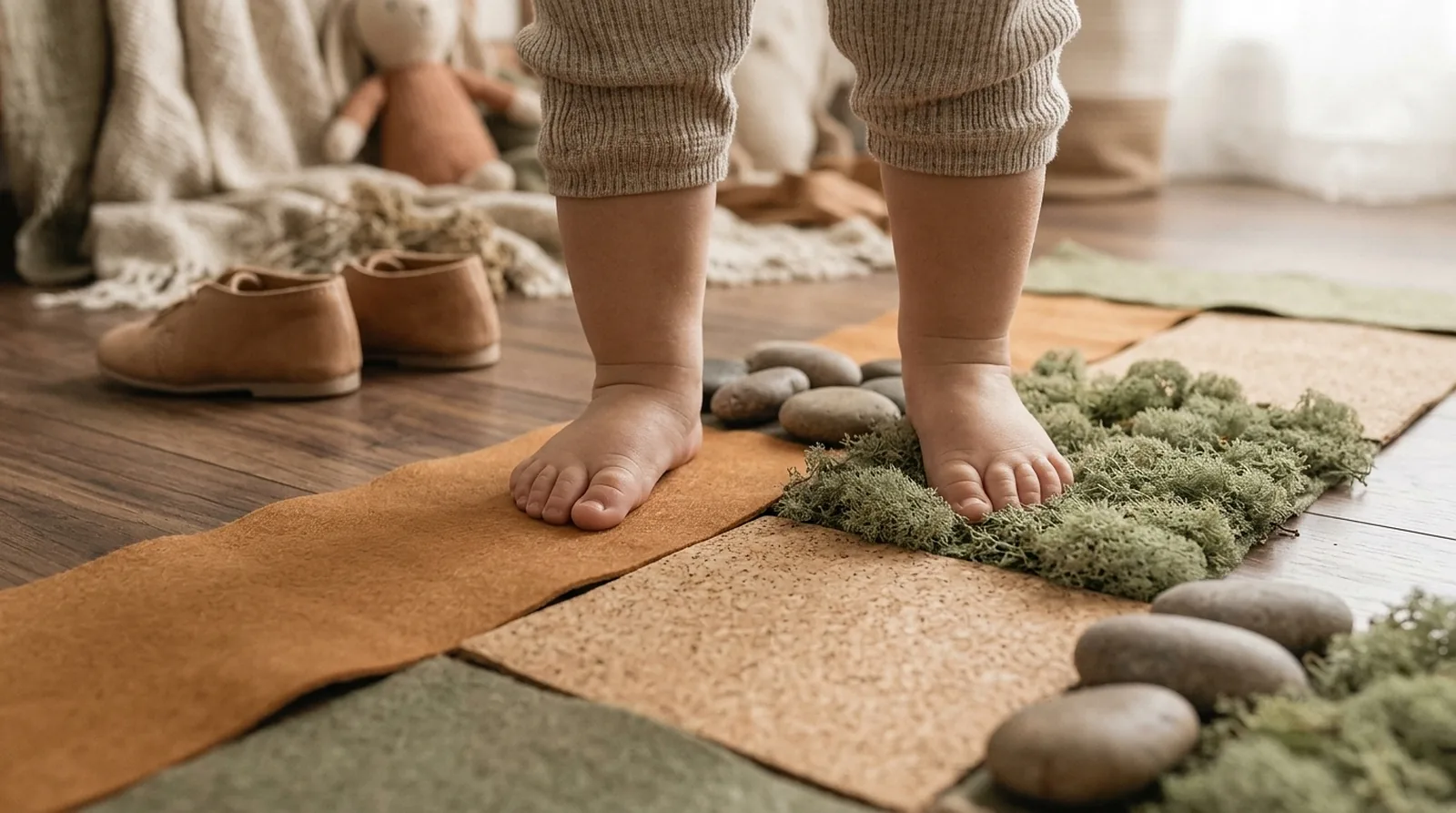
- Leave time for bare feet indoors and in safe gardens.
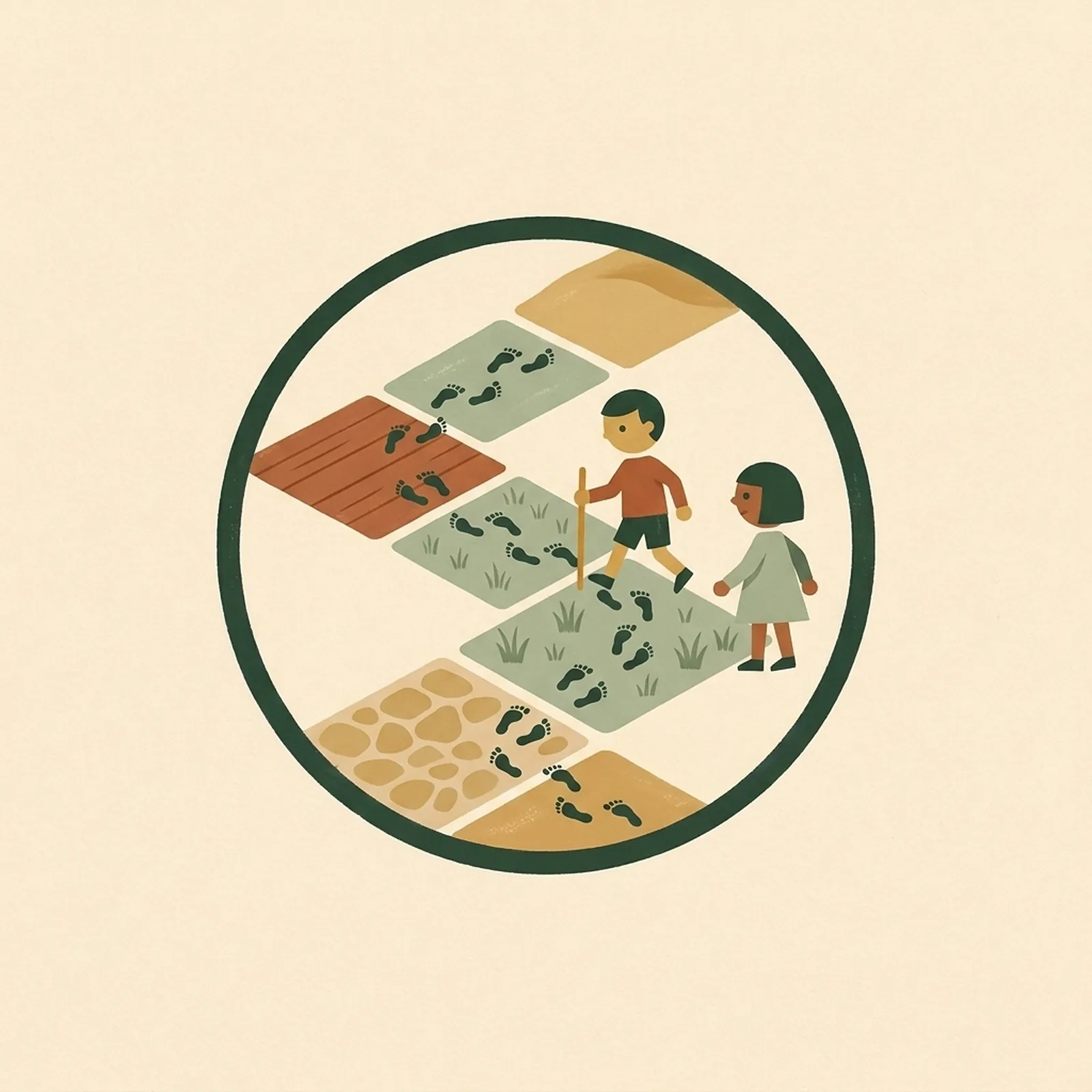
- Plan barefoot games on different surfaces: grass, sand, earth.
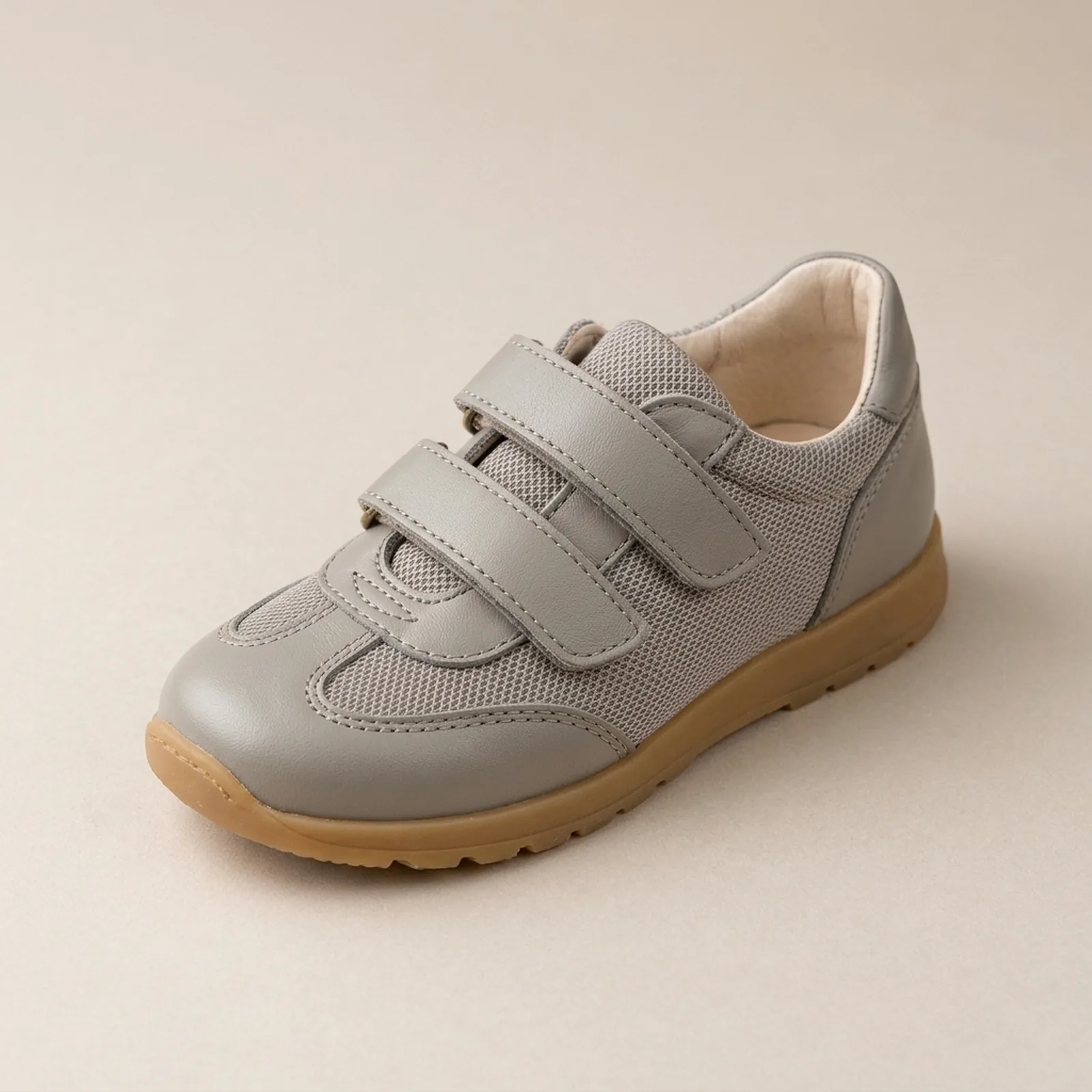
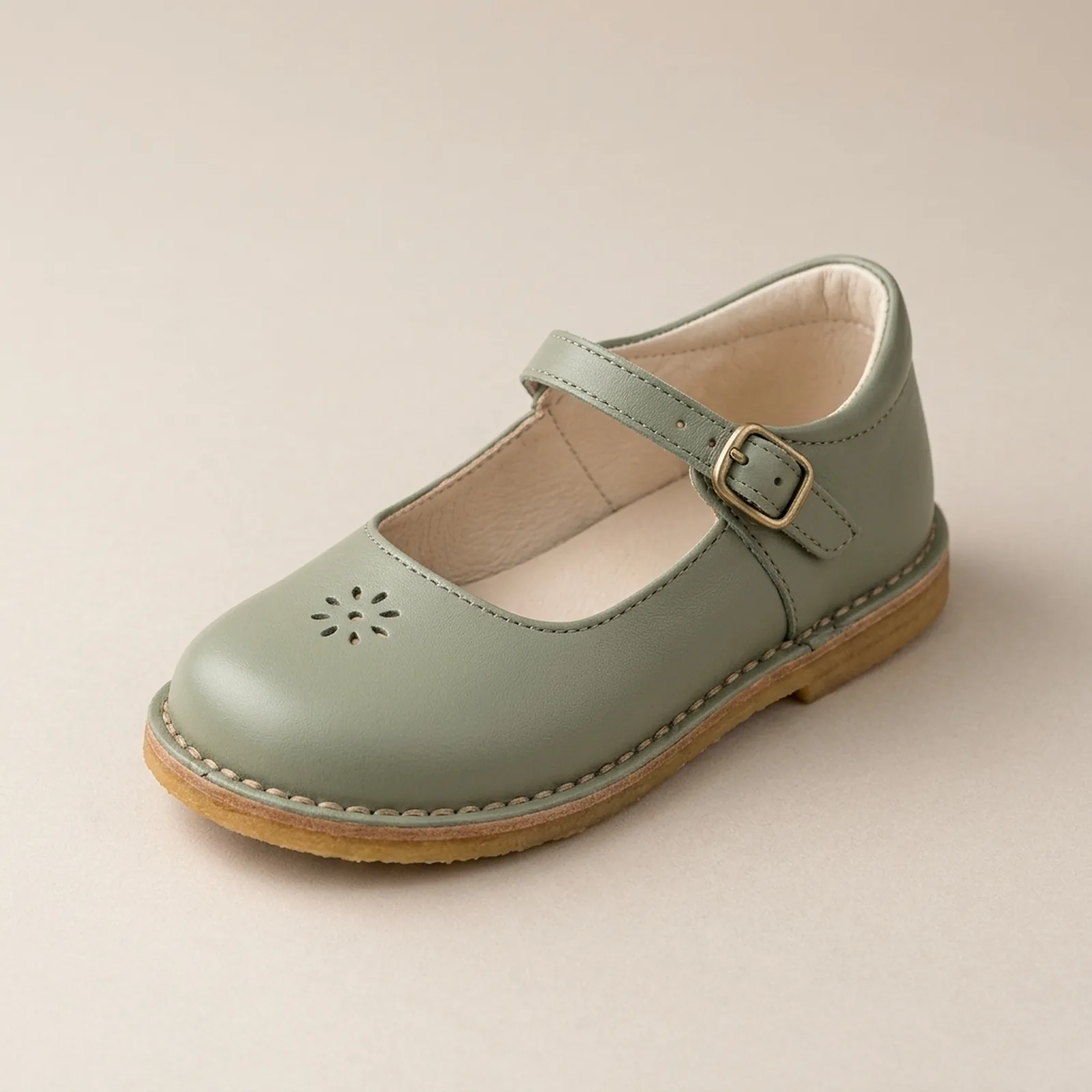
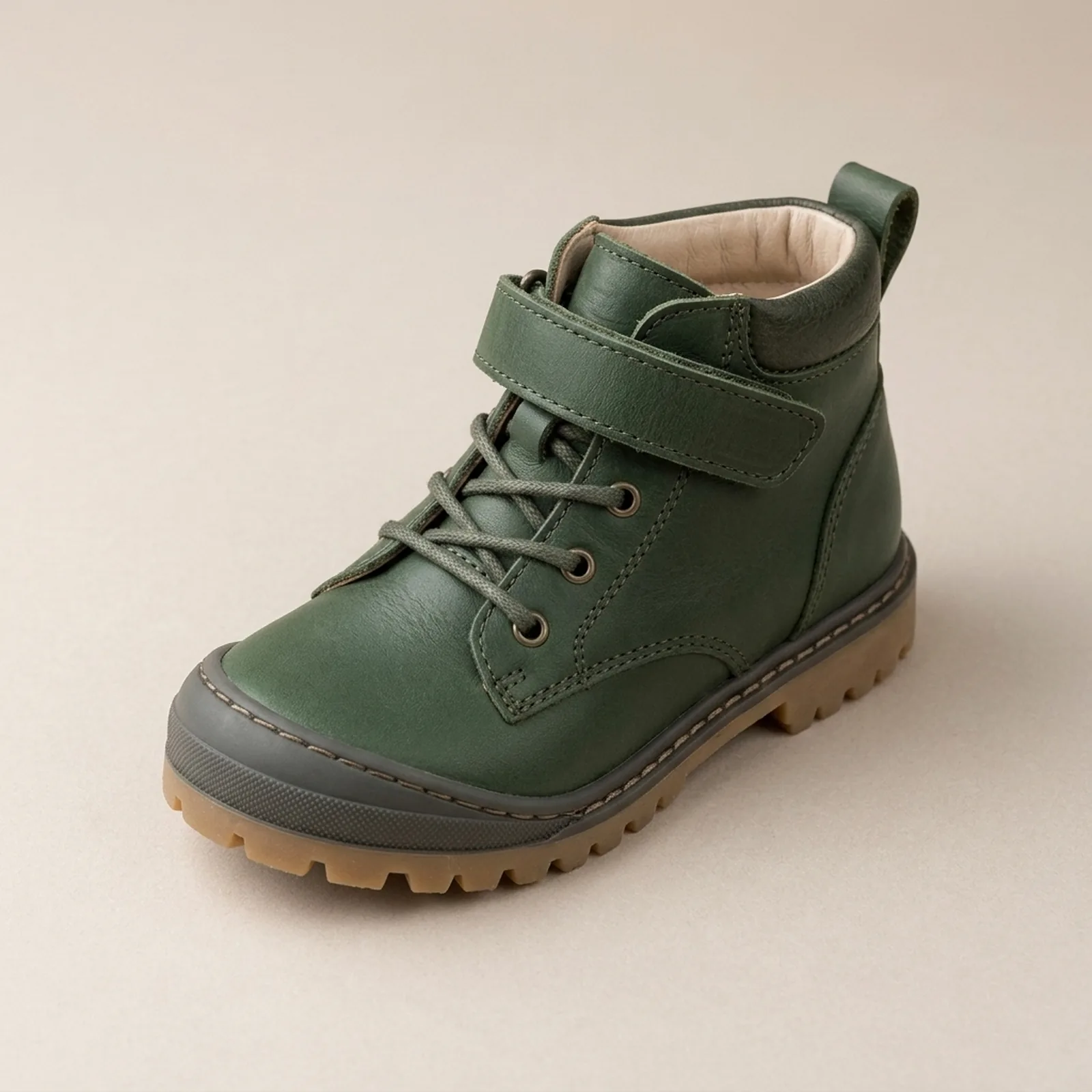
- Outdoors, choose a flexible shoe with a thin sole and a wide toe box.
- Test the shoe by bending it with your hand: it should bend easily at the front.
What don’t we know?
There are almost no long-term randomised controlled trials. We don’t know for certain how the age at which children walk, for how long, and in which shoes, affects their feet in adulthood. We want to say this plainly; we’ll update this article as new studies are published.
When to ask a specialist
If your child complains of pain when walking barefoot, walks on tiptoe all the time, or falls often, talk to your paediatrician.
Free 20-minute call with a specialistSources
- Research Rao UB, Joseph B. The influence of footwear on the prevalence of flat foot: a survey of 2300 children. J Bone Joint Surg Br. 1992;74(4):525–527.
- Research Hollander K, de Villiers JE, Sehner S, et al. Growing-up (habitually) barefoot influences the development of foot and arch morphology in children and adolescents. Scientific Reports. 2017;7:8079.
- Review Wegener C, Hunt AE, Vanwanseele B, Burns J, Smith RM. Effect of children's shoes on gait: a systematic review and meta-analysis. J Foot Ankle Res. 2011;4:3.
- Research Wolf S, Simon J, Patikas D, et al. Foot motion in children shoes: a comparison of barefoot walking with shod walking in conventional and flexible shoes. Gait & Posture. 2008;27(1):51–59.
- Review Staheli LT. Shoes for children: a review. Pediatrics. 1991;88(2):371–375.
- Review Morrison SC, Price C, McClymont J, Nester C. Big issues for small feet: developmental, biomechanical and clinical narratives on children's footwear. J Foot Ankle Res. 2018;11:39.
Not a substitute for medical advice. If you have any concerns about your child’s feet, talk to your paediatrician or a paediatric physiotherapist.